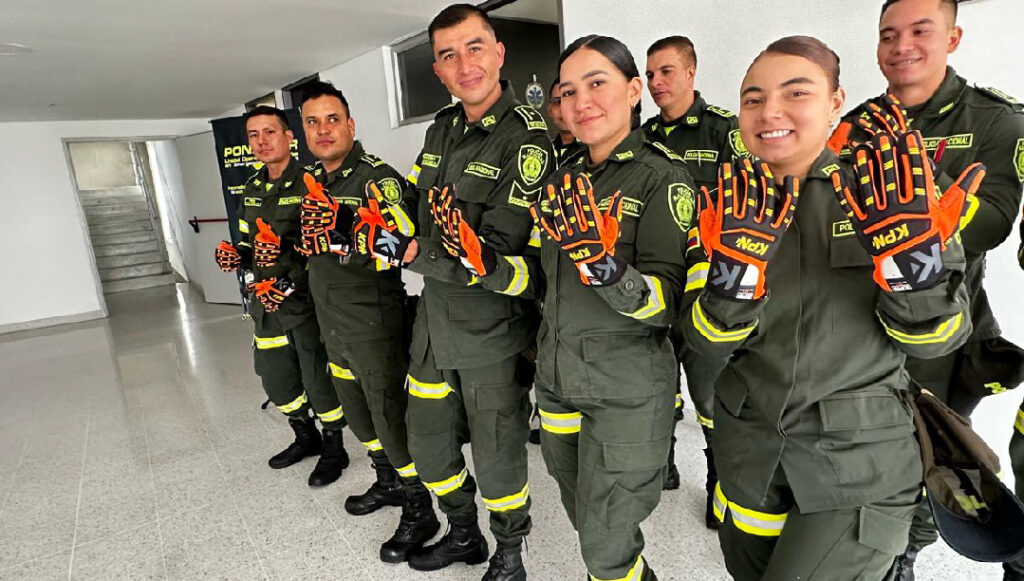
>> Bolivia
In the Pilón Lajas Biosphere Reserve, indigenous communities face a severe health crisis caused by mercury contamination in rivers—a byproduct of illegal mining. This article reveals the human impact of this invisible crisis and how access to safe water becomes a vital tool for protecting the lives, dignity, and future of those who safeguard the Amazon.
By: Communications Team of Fundación KPN and KPN Safety Holding
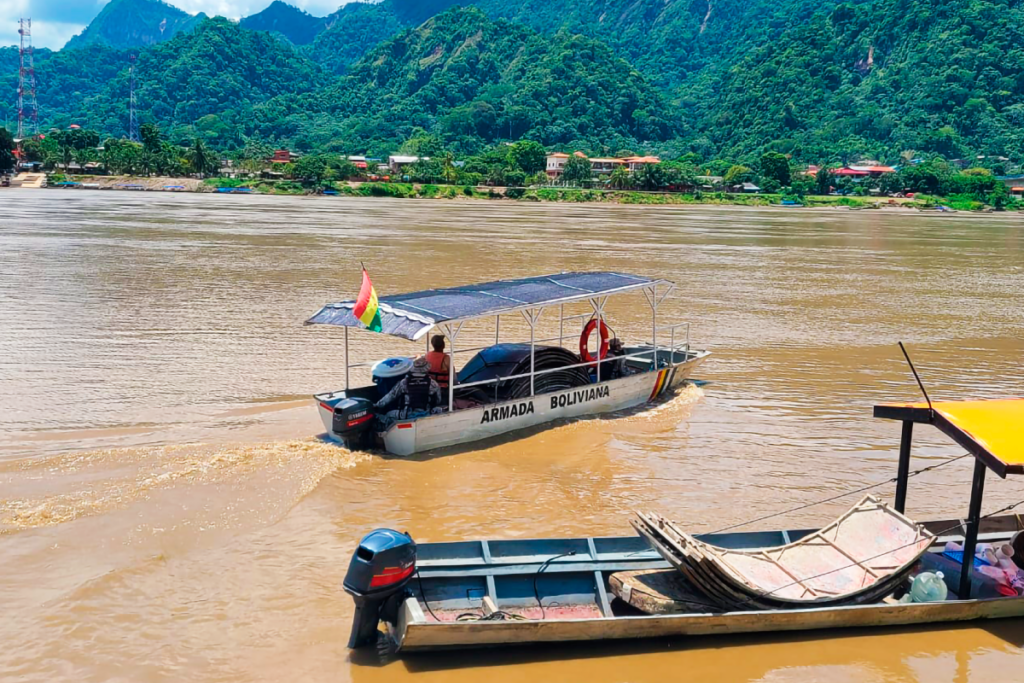
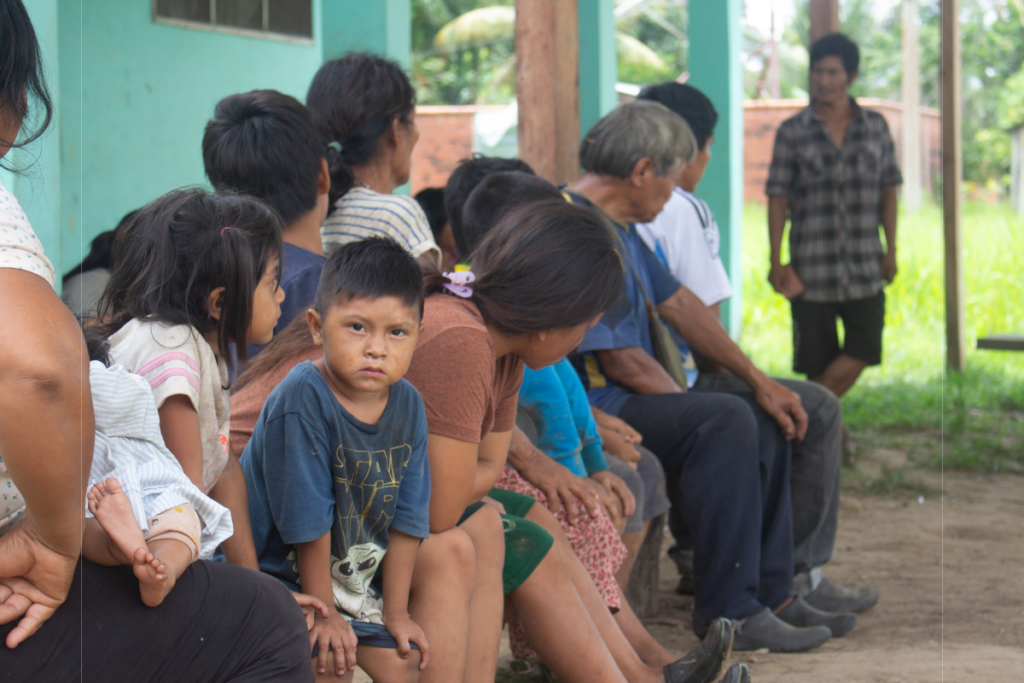
In the heart of the Bolivian Amazon, where rivers have historically been synonymous with life, food, and culture, an invisible threat flows today. In the indigenous communities of Rurrenabaque (Beni) and Apolo (La Paz), water—the essential source of life—has become a health risk. The cause: mercury contamination resulting from illegal gold mining that advances silently through the channels of the Beni River and its tributaries.
This issue is not solely environmental. Above all, it is a public health crisis directly affecting the peoples who have protected the Amazon for generations and who now face the risk of forced displacement in search of water, leaving their territories vulnerable to encroachment and exploitation.
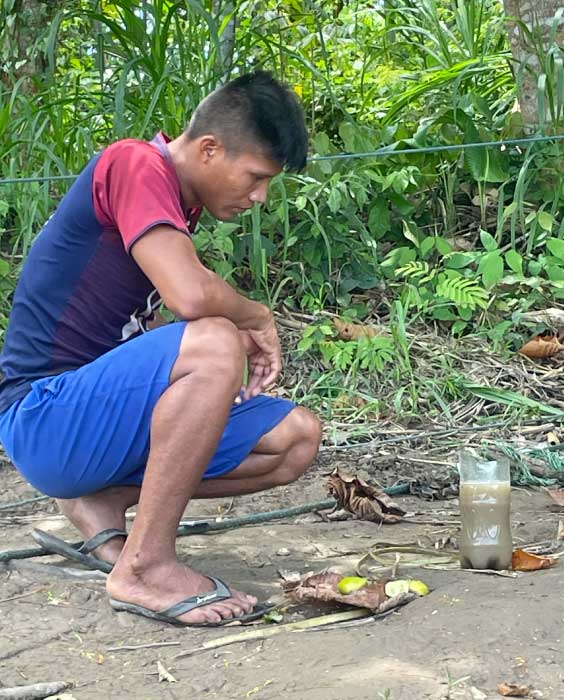
Mercury: An Invisible Enemy in the Body
Mercury is a highly toxic metal which, when used in illegal gold extraction, ends up being released into the rivers. There, it transforms into methylmercury, a substance that accumulates in fish and, subsequently, in the people who consume them daily.
The data is alarming. In 2023, at the initiative of CPILAP (Central of Indigenous Peoples of La Paz), the Higher University of San Andrés (UMSA) conducted studies in 36 riverside communities. The data reveals that the most alarming contamination is found in the Ese Ejja people, who consume fish daily. They show the highest levels of contamination, with an average of 6.9 ppm (parts per million) of mercury. They are followed by the T’simane (6.8 ppm), the Mosetenes (4.0 ppm), the Uchupiamonas (2.5 ppm), the Tacanas (2.1 ppm), and the Lecos (1.9 ppm). These figures represent the communities of Charque, Asunción del Quiquibey, Torewa, and Puerto Salinas, where the impact is already reflected in daily life.
The health effects are profound and often irreversible:
- Neurological and cognitive damage.
- Renal and cardiovascular impairments.
- Congenital malformations.
- Issues in childhood development.
The most vulnerable—children, pregnant women, and the elderly—suffer the consequences most intensely. «Our children are thirsty, but the water makes them sick,» says an indigenous mother from the region, summarizing a reality as harsh as it is daily.
When Lack of Safe Water Deepens Inequality
Contamination adds to other structural factors: extreme poverty, prolonged droughts, forest fires, geographic isolation, and limited access to health services. The result is a vicious cycle where the lack of safe water deteriorates nutrition, weakens the immune system, and reduces development opportunities. In this context, talking about care and health goes far beyond medical attention. It implies guaranteeing something as basic—and as vital—as access to clean water.
SCALL: A Response from Health, Dignity, and Prevention
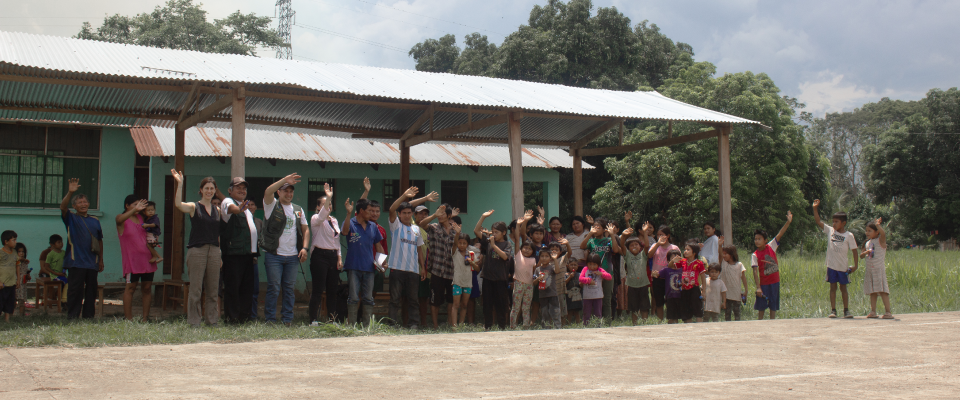
Faced with this reality, Fundación KPN and KPN Safety Holding, with the support of their global subsidiaries, are promoting the SCALL Project (Community Rainwater Harvesting System), an initiative designed to protect community health through a sustainable water infrastructure solution.
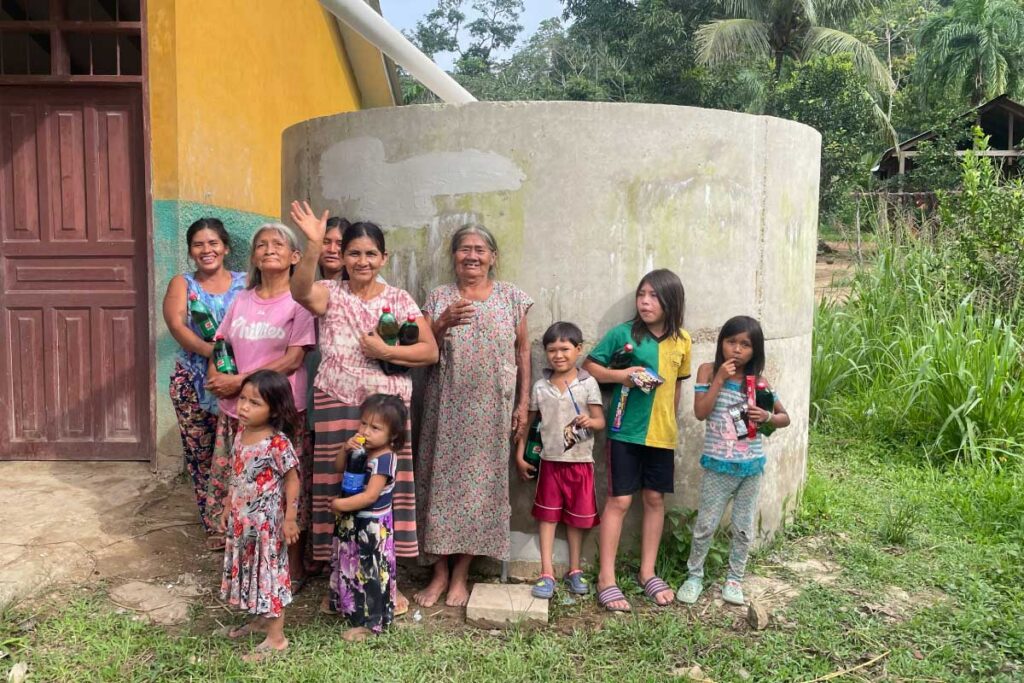
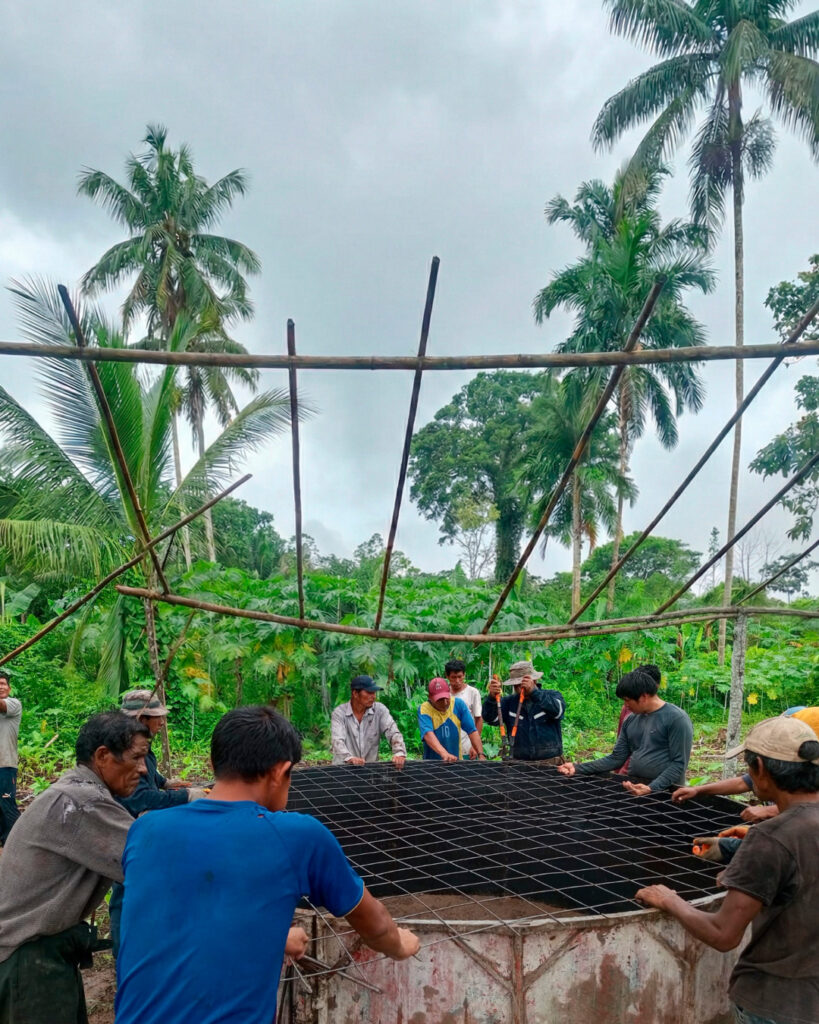
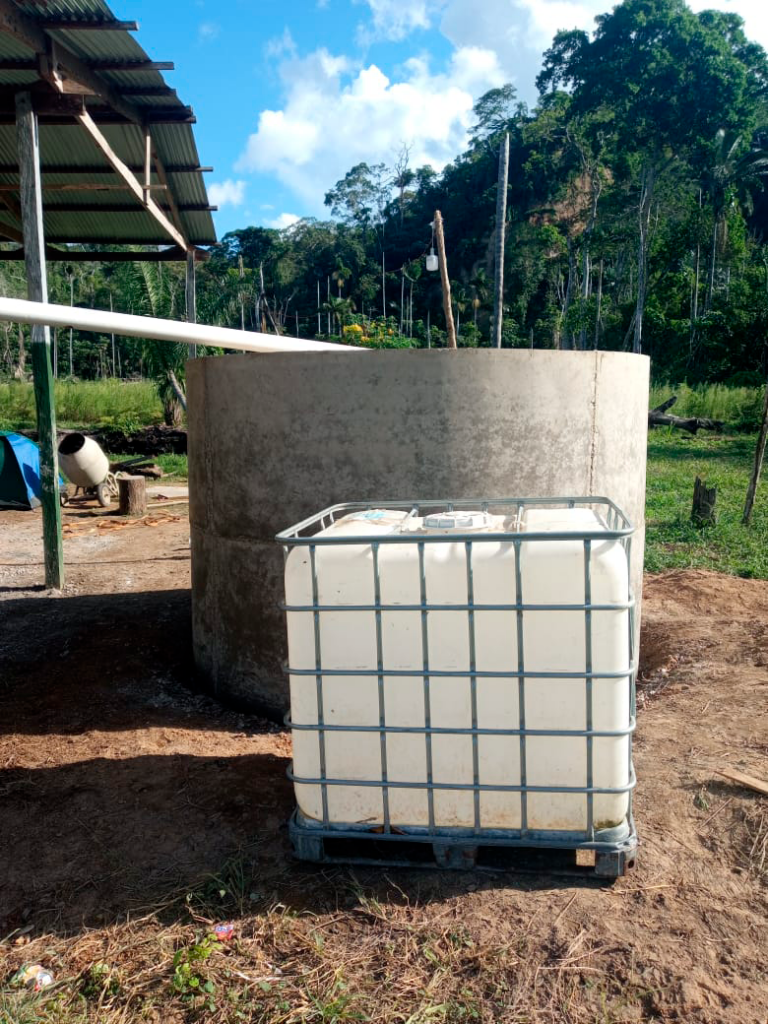
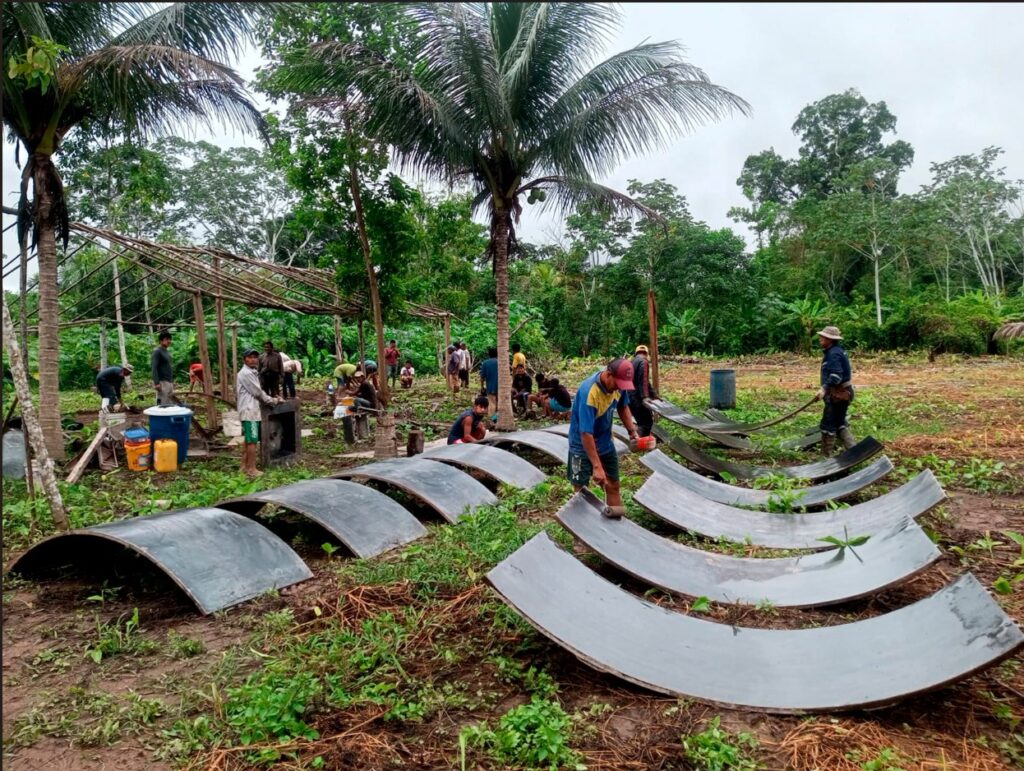
In its first phase, the project was implemented in affected communities in Beni with the installation of four storage tanks of 12,000 liters each, reaching a total capacity of 48,000 liters of safe water.
The system collects rainwater, which passes through a fine sand and gravel filtration system to remove sediments, followed by a second carbon filter that eliminates the color and taste of the rainwater. Laboratory tests certify conclusive results: clean water with a pH of 7, suitable for human consumption.
Building Long-Term Health
Training community leaders and members is a key pillar: learning to maintain the system ensures that protection does not depend on external agents, but on local knowledge.
The impact is immediate and profound:
- Reduction in gastrointestinal diseases.
- Decreased exposure to mercury.
- Improved maternal and child health.
- More time and energy for education and development.
Because when water stops making people sick, life begins to flourish.
Caring for Water is Caring for Life
The mercury crisis in Beni reminds us that health does not start in a hospital, but in the territory. Protecting those who care for the Amazon is a collective responsibility that demands action, partnerships, and sustained commitment.
For KPN Safety and Fundación KPN, care and health are understood as a whole: protecting the body, the environment, and the dignity of the communities. The SCALL Project is just the beginning of a path that seeks to be replicated, to grow, and to bring safe water to more territories where drinking water currently implies a risk.
Because caring for our indigenous communities is caring for our forests—and because care, when it is real, starts with water.